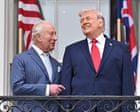
King Charles visited the White House in what observers characterize as a carefully choreographed effort to distract from deeper policy concerns rather than reshape American foreign relations. The visit featured ceremonial pageantry and formal dinners designed to project warmth and continuity between the U.S. and Britain.
However, the commentary suggests such displays of diplomatic cordiality carry limited weight. A few days of official pleasantries will not alter substantive American foreign policy decisions or secure lasting political commitment, particularly given the unpredictability of the current administration. The visit serves primarily as theater, offering both governments a chance to project stability and alliance strength to domestic audiences.
The underlying argument holds that ceremonial state visits, while symbolically important, function as distraction from the actual mechanics of international relations and policy divergence. Genuine diplomatic influence requires more than pageantry. Without concrete agreements or policy alignment, the goodwill generated by formal events dissipates quickly, especially when political leadership remains volatile.
The piece frames the visit as representative of how governments use pomp and tradition to mask either a lack of progress on substantive issues or fundamental disagreements about direction and priorities.