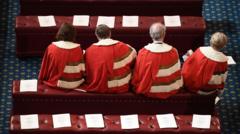
Britain's House of Lords abolished the right of hereditary peers to sit in Parliament, ending a system that stretched back 700 years. The legislation passed last month and takes effect now, removing approximately 92 hereditary peers from the upper chamber.
Hereditary peerages allowed titles and seats to pass from parent to child, a practice rooted in medieval feudalism. The change leaves the Lords composed primarily of life peers, appointed for their expertise or service, alongside bishops and a small number of remaining hereditary members in specific circumstances.
The move reflects broader efforts to modernize Britain's legislative structures. Supporters argue the hereditary system was incompatible with democratic governance. Critics contended it preserved an outdated aristocratic privilege that had no place in contemporary politics.
The House of Lords retains its role in scrutinizing legislation and serving as a revising chamber, but it operates now without the automatic seats that hereditary privilege once guaranteed. Questions remain about further Lords reform, including its overall size and composition.