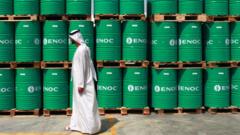
The United Arab Emirates announced its withdrawal from OPEC, the oil-producing cartel that has shaped global energy markets for decades. The move will not immediately affect current oil supply decisions or pricing, but it positions the UAE to act independently in future negotiations and potentially reshape how major producers coordinate.
The UAE's exit matters because it breaks OPEC's unified front. As a major oil exporter, the country's decision to leave signals either disagreement with the organization's strategy or a preference for bilateral deals that serve its interests better than collective agreements. OPEC relies on member consensus to enforce production cuts and support prices. Losing a significant producer weakens that leverage.
The timing reflects broader tensions within OPEC. Saudi Arabia and Russia have dominated recent production decisions, sometimes favoring output cuts that benefit them while constraining other members. The UAE has grown frustrated with restrictions on its own production capacity.
Going forward, the UAE can negotiate directly with buyers and pursue its own energy agenda without OPEC constraints. This could mean increased oil supply hitting markets, depending on the country's production choices. Other members may reconsider their membership if OPEC cannot guarantee their priorities get heard. The cartel's long-term influence over global oil markets hangs in balance.