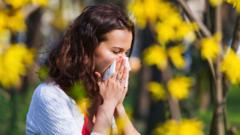
Hay fever season now stretches two weeks longer than it did in the 1990s, according to a major report. Pollen counts persist later into the year, extending the misery for millions of allergy sufferers.
The extended season reflects longer growing periods driven by warmer temperatures. Plants flower earlier in spring and stop later in autumn, expanding the window when airborne pollen triggers symptoms like sneezing, itchy eyes, and congestion.
The BBC Health report offers practical coping strategies. Antihistamine tablets and nasal sprays remain first-line treatments. Keeping windows closed during peak pollen hours, showering after outdoor time, and wearing sunglasses to shield eyes all reduce exposure. Air filters in homes and cars help trap pollen particles.
For severe cases, doctors can prescribe stronger medications or recommend immunotherapy, a long-term treatment that gradually desensitizes the immune system to specific allergens.
Seasonal allergies affect roughly one in five people globally. The lengthening pollen season means sufferers need to start preventive treatment earlier and maintain it longer through the year. Tracking local pollen forecasts helps time medication and outdoor activities to minimize exposure.