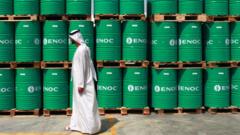
The United Arab Emirates announced its exit from OPEC, the oil cartel that coordinates production among member states. The move will not immediately affect current oil output agreements or market blockades, but it signals a strategic shift that could reshape global energy politics after current deals expire.
The UAE's departure marks a rare crack in OPEC's unity. As a major oil producer, the country's decision to operate independently rather than coordinate with the cartel reflects tensions over production quotas and pricing strategy. The timing matters: existing arrangements remain in place, so crude supplies and prices face no immediate disruption.
However, the exit sets up a potential reshuffling of the oil market once current agreements lapse. If other producers follow the UAE's lead, OPEC's ability to manage global supply and influence prices could weaken substantially. The cartel has relied on member cohesion to maintain leverage over energy markets for decades.
The move also carries geopolitical weight, particularly for Saudi Arabia, OPEC's de facto leader. It raises questions about whether the kingdom can maintain its grip on global energy coordination as member states pursue independent interests.
Analysts view the UAE's departure as a bellwether. Whether it triggers broader fracturing of OPEC or remains an isolated exit will shape oil markets and international relations for years ahead.